 English
 عربى
عربى 中文简体
中文简体 Español
إرسال التعليقات
فيلم نقل الحرارة بنمط مخصص: حل تزيين متعدد الاستخدامات للمنتجات
Jul 17,2026
ال نمط مخصص فيلم نقل الحرارة أصبحت طريقة تزيين معتمدة على نطاق واسع للمصنعين الذين يسعون إلى تطبيق تصميمات وشعارات ورسومات معقدة على أسطح المنتجات المختلفة. يحمل هذا الفيلم نمطًا مطبوعًا ينتقل على ركائز مثل البلاستيك والمعادن والسيراميك والمنسوجات عند تطبيق الحرارة والضغط أثناء عملية النقل. يشير تحليل السوق الأخير إلى أن أفلام نقل الحرارة المخصصة تمثل جزءًا متزايدًا من حلول التشطيبات الزخرفية نظرًا لقدرتها على إعادة إنتاج أنماط معقدة بجودة متسقة عبر عمليات الإنتاج الكبيرة.
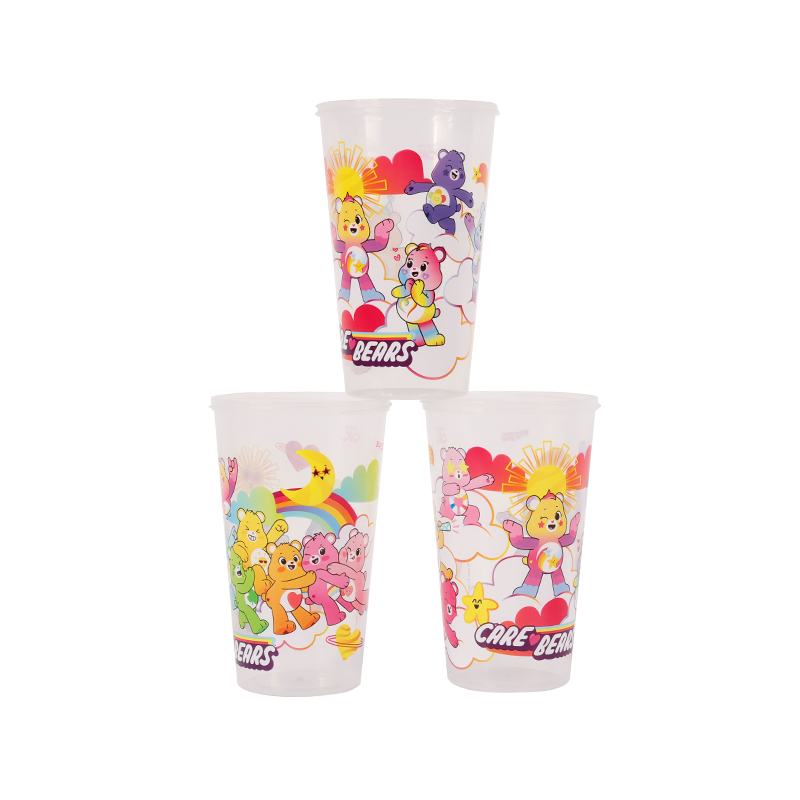
هيكل الفيلم وآلية النقل
ال customized pattern heat transfer film consists of multiple layers engineered to deliver the printed design onto the target surface. The base layer is a polyester or paper carrier that provides dimensional stability during printing and transfer. Above this, a release coating allows the printed layer to separate cleanly from the carrier when heat is applied. The printed layer contains the customized pattern, applied using gravure, flexographic, or digital printing methods. An adhesive layer activates under heat and pressure, bonding the design to the substrate. The transfer process requires precise temperature control, typically between 120°C and 200°C, with dwell times ranging from 1 to 10 seconds depending on the film formulation and substrate material.
خيارات التخصيص وإمكانيات الطباعة
ال film supports virtually unlimited design possibilities, allowing manufacturers to match brand requirements and product aesthetics. The factory offers full-color process printing for photographic images and complex artwork, spot colors for brand matching and solid areas, metallic and holographic effects for premium packaging, and matte, gloss, or textured finishes for tactile and visual variety. Digital printing is available for short runs and rapid prototyping, while gravure is preferred for long production runs. Design proofing is available to verify color accuracy before production, and the design capability covers consumer goods, automotive, cosmetics, and electronics industries.
توافق المواد والمتانة
ال customized pattern heat transfer film is compatible with a wide range of substrate materials. Compatible plastics include polypropylene, polyethylene, ABS, and polystyrene. Metals and coated metals are suitable for decorative finishes on appliances and automotive parts. Ceramics and glass are used for tableware and decorative items. Textiles are compatible for garment decoration and soft goods. The film provides strong adhesion and resistance to wear. Key performance characteristics include:
- مقاومة الخدش للمنتجات التي يتم التعامل معها بشكل متكرر؛
- المقاومة الكيميائية للمنتجات المعرضة لعوامل التنظيف أو الزيوت؛
- مقاومة الأشعة فوق البنفسجية للتطبيقات الخارجية والمنتجات المعروضة في ضوء الشمس؛
- مرونة الاستخدام على الأسطح المنحنية أو المرنة دون التشقق.
تتوفر تركيبات أفلام مختلفة لتلبية متطلبات المتانة المحددة، ويوصى بإجراء الاختبار قبل الإنتاج الكامل.
سير عمل الإنتاج ومعايير الاختيار
ال production workflow begins with design and artwork preparation, followed by proofing and approval. Once approved, film production uses the selected printing method for the required quantity, with lead times depending on complexity and volume. After production, the film is slit and packaged for shipment. When selecting a supplier, buyers evaluate substrate compatibility and adhesion requirements, durability expectations for scratch and chemical resistance, production volume affecting printing method choice, artwork complexity affecting cost, and lead time and price. Buyers should request samples and testing before full production to ensure the film meets requirements. The supplier should also provide technical support to help optimize the transfer process and substrate preparation. The film is used across consumer goods, automotive, cosmetics, electronics, and promotional items.
سابق:ملصقات ملونة للنقل الحراري لفيلم PET: حل طباعة متين للاستخدام الصناعي
التالي:مصنع قالب الملصقات على الجرافة البلاستيكية: تقدم الإنتاج من أجل ديكور متين
التالي:مصنع قالب الملصقات على الجرافة البلاستيكية: تقدم الإنتاج من أجل ديكور متين
اترك تعليقا
لن يتم نشر عنوان بريدك الإلكتروني. الحقول المطلوبة تم وضع علامة عليها *
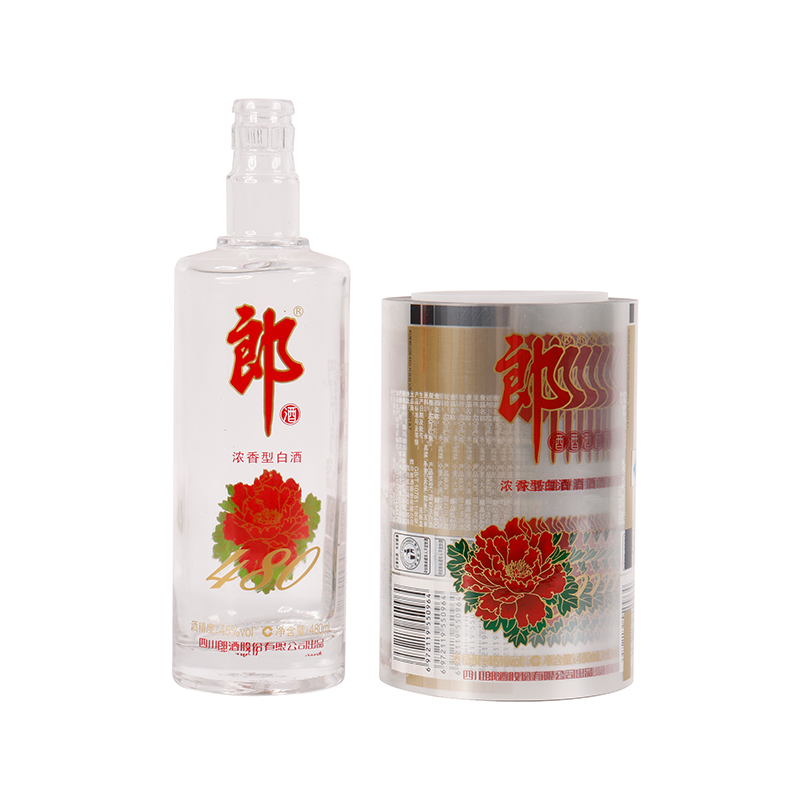
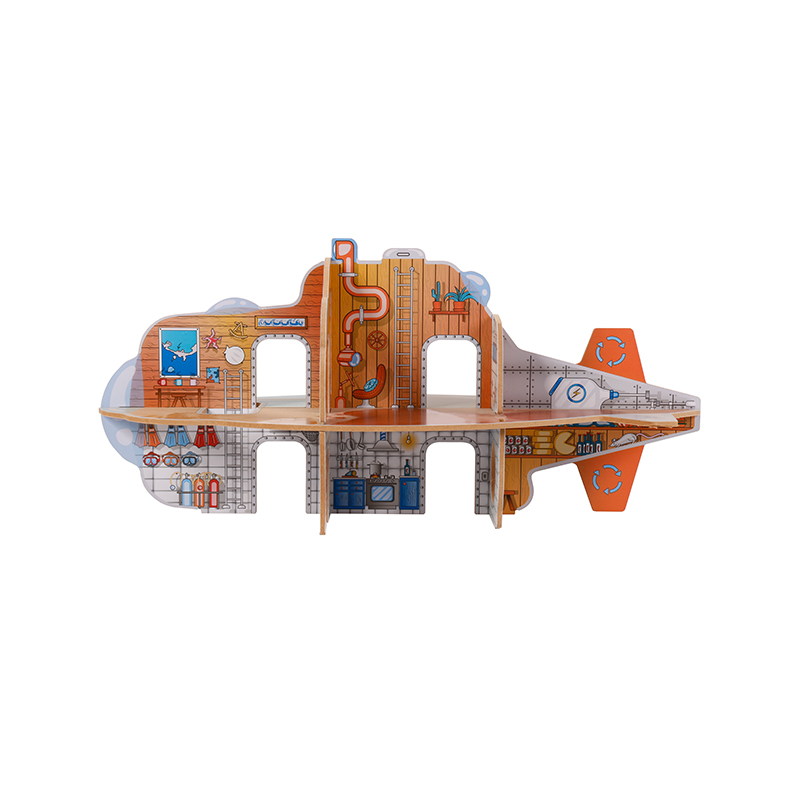
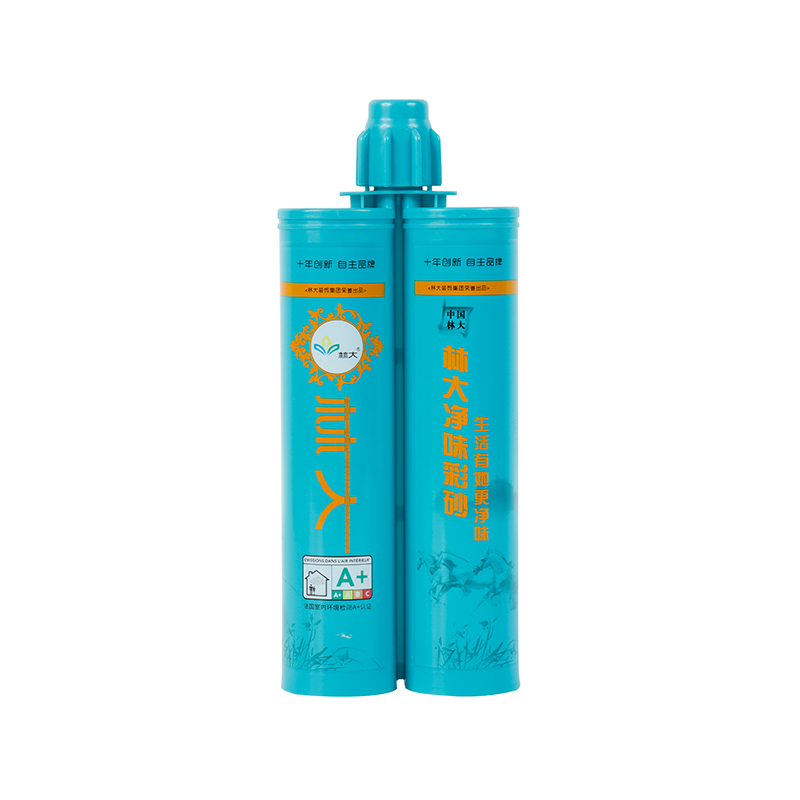

تتخصص شركة Wenzhou Jiafeng Technology Co., Ltd. في البحث والتطوير لمختلف تقنيات نقل الحرارة ووضع العلامات داخل القالب.
-
اتصل بمكتبنا
+86-577-64571870
- أرسل رسالة
-
عنواننا
لا. 818، طريق هايشي، مدينة لونغ قانغ، مدينة ونتشو، مقاطعة تشجيانغ
حقوق النشر © Wenzhou JiaFeng Technology Co., Ltd
